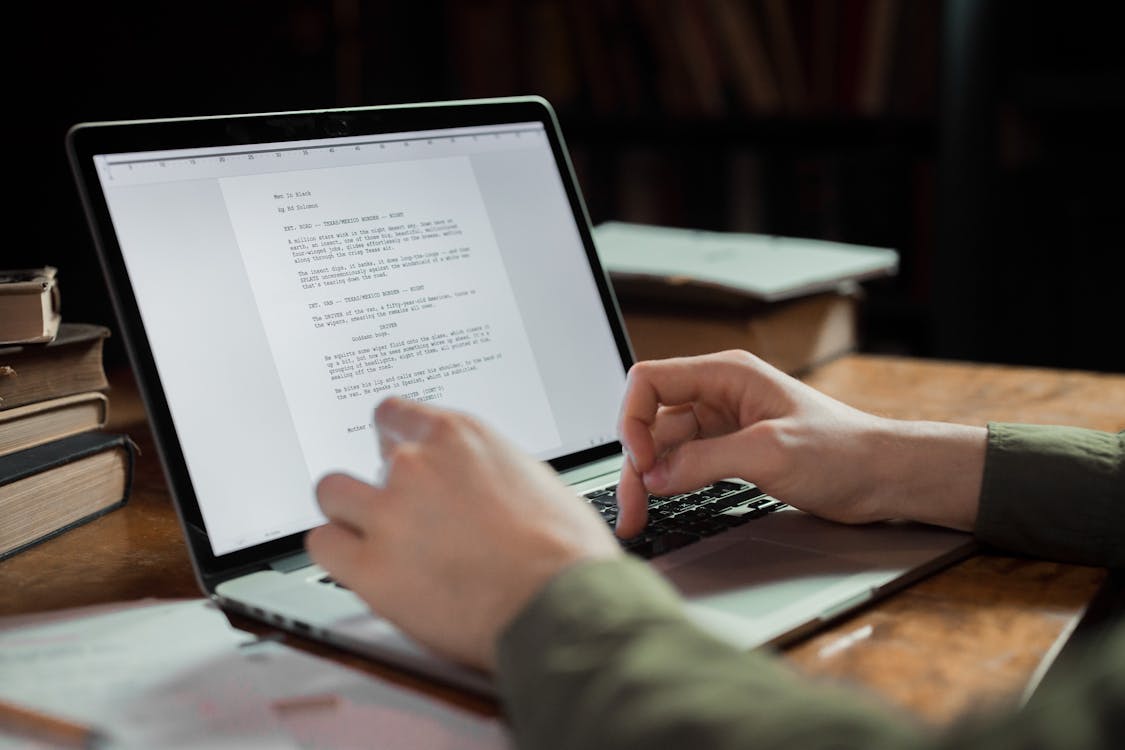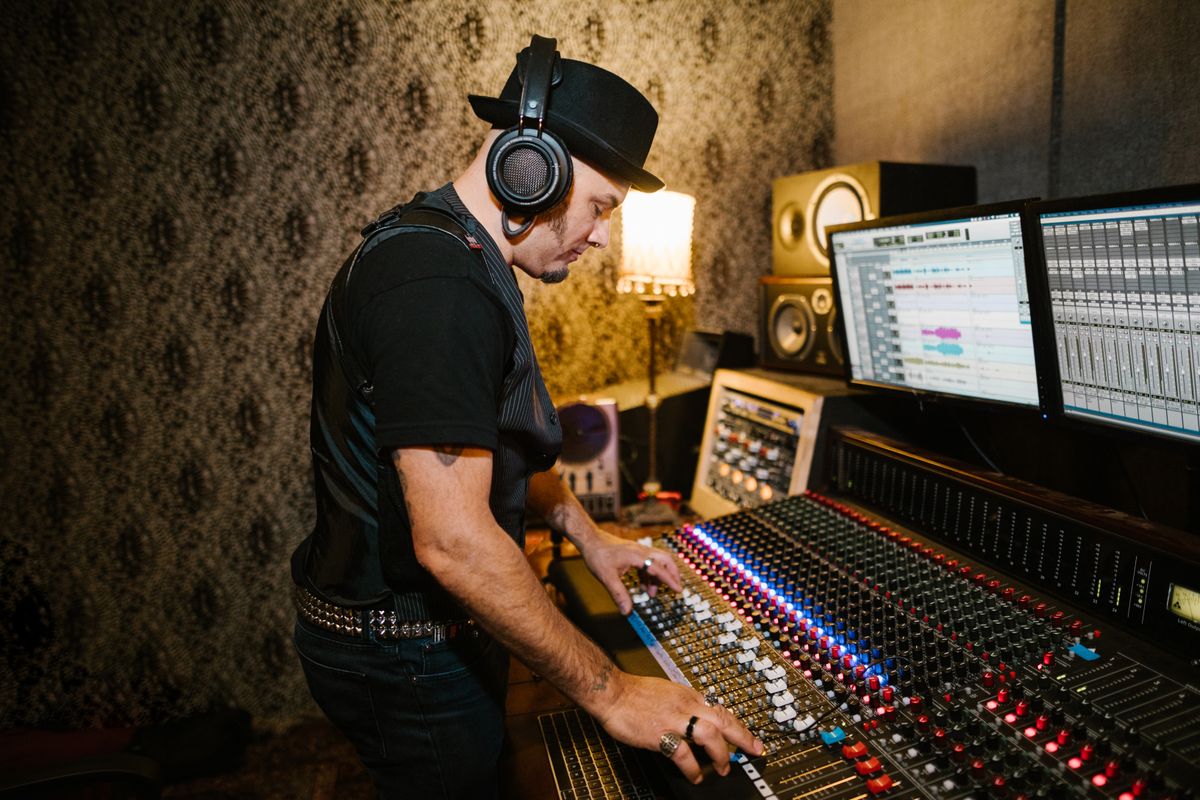

A music producer in Geneva named Leah finishes a beat late at night. She bounces a rough MP3 and sends it to a singer she met online. Three months later, the same beat turns up on someone else's release. Leah still has the project on her laptop, but she cannot prove when she made it. The final mix is only the surface. The parts under it, the stems and the session file, tell the real story of how the track was built.
She did everything right in the studio, but nothing outside it. Work with no dated record is hard to defend later.Seal more than the final mix
A producer should seal the stems and the session files, not only the bounced track.
The mix is one file. The stems are the separate tracks inside it: drums, bass, vocals and synths, each bounced on its own. The session file, sometimes called the project file, is the editable document your software saves. It holds every edit, every plugin and the full arrangement. Together these show the track as a build, not just a result. If a question ever comes up about who held the parts first, the parts matter more than the polished export.
Why the session file is your strongest piece
The editable project file carries detail that a bounced track cannot show.
A bounced MP3 or WAV is flat. Anyone can own a copy of it. The session file is different. It holds your arrangement, your track names, your automation and the raw recordings. It is hard to rebuild after the fact. Each stem is a layer of the track on its own, and a rival export cannot show those layers. Sealing it fixes that exact state in time. From then on you can point to a dated record of the real working file, not just the final sound.
Any file your software makes can be sealed
The seal works on a file's fingerprint, so any format is accepted.
When you seal a file, the platform reads it and makes a short fingerprint of it, called a hash. Only that fingerprint is sent to the timestamp authority, under the RFC 3161 standard for trusted time stamps. The file itself is not sent to that authority. Because the seal is applied to the hash, the format does not matter. A WAV stem, a project file from any music software, or a whole folder zipped together can all be sealed the same way. You can read more on how it works.
Copyright is already yours, the seal is your proof
Copyright starts on its own, and the seal gives you dated evidence of your work.
Under the Berne Convention, copyright protection is automatic and needs no registration. This applies across its 182 member countries. So you own the copyright in your music from the moment you record it. The seal does not create that right, and it does not protect an idea. It gives you something you can show later: proof that this exact file existed at this exact time. One honest limit matters here. The certificate shows who sealed the file and when. It does not show who wrote the music. It is evidence of time and existence, not a statement of authorship.
Sealing a track made by a group
Collaborators can be added by email, so each person holds the same proof.
Music is often made by more than one person. When you seal your files, you can invite co-owners by email. Each co-owner receives the same e-Seal receipt, and their identity is linked to the certificate. So a producer, a singer and a co-writer can each hold the same dated proof of the same files. This is worth doing before you share stems with anyone outside the room. Add each person before you send the files, not after a problem starts.
Seal each version, not only the last one
A track changes a lot before it is done, so a dated seal of each stage is worth keeping.
Songs grow in steps. The demo is not the second pass, and the second pass is not the master. If you only seal the final version, you lose the record of the earlier ones. You do not need to seal every tiny save. Pick the moments that matter: the first real demo, the locked arrangement, and the final master. Each seal is a dated point in the story of the track. Together they show the work moving forward over time, in your hands, on your account. That trail is far harder to question than a single file with no history.
A simple habit for every session
Seal the parts before you share them, every time.
Make it a routine. When you finish a session worth keeping, seal the parts first, then send. A public verification link lets anyone check a seal without an account. A short checklist helps:
- the editable session or project file
- the stems, each track bounced on its own
- the final mix
- any lyrics, notes or artwork files that belong to the track
Back to Leah. If she had sealed the session and the stems the night she made the beat, she would hold a dated record of the whole build, not just a rough MP3. The habit costs a few minutes. The gap it fills can decide a dispute. Seal the parts before you share them, and keep your proof at swisstrustlayer.com.