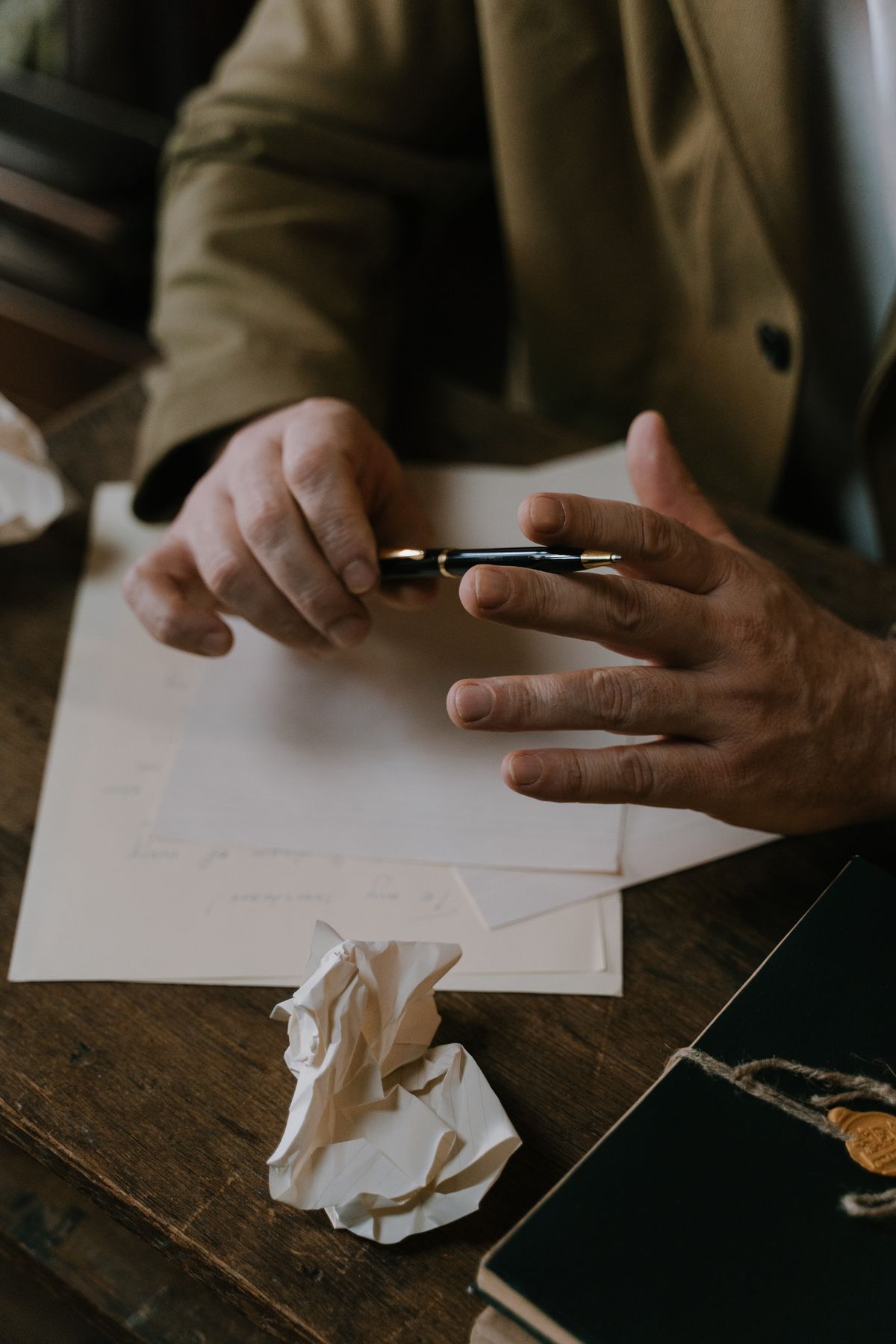
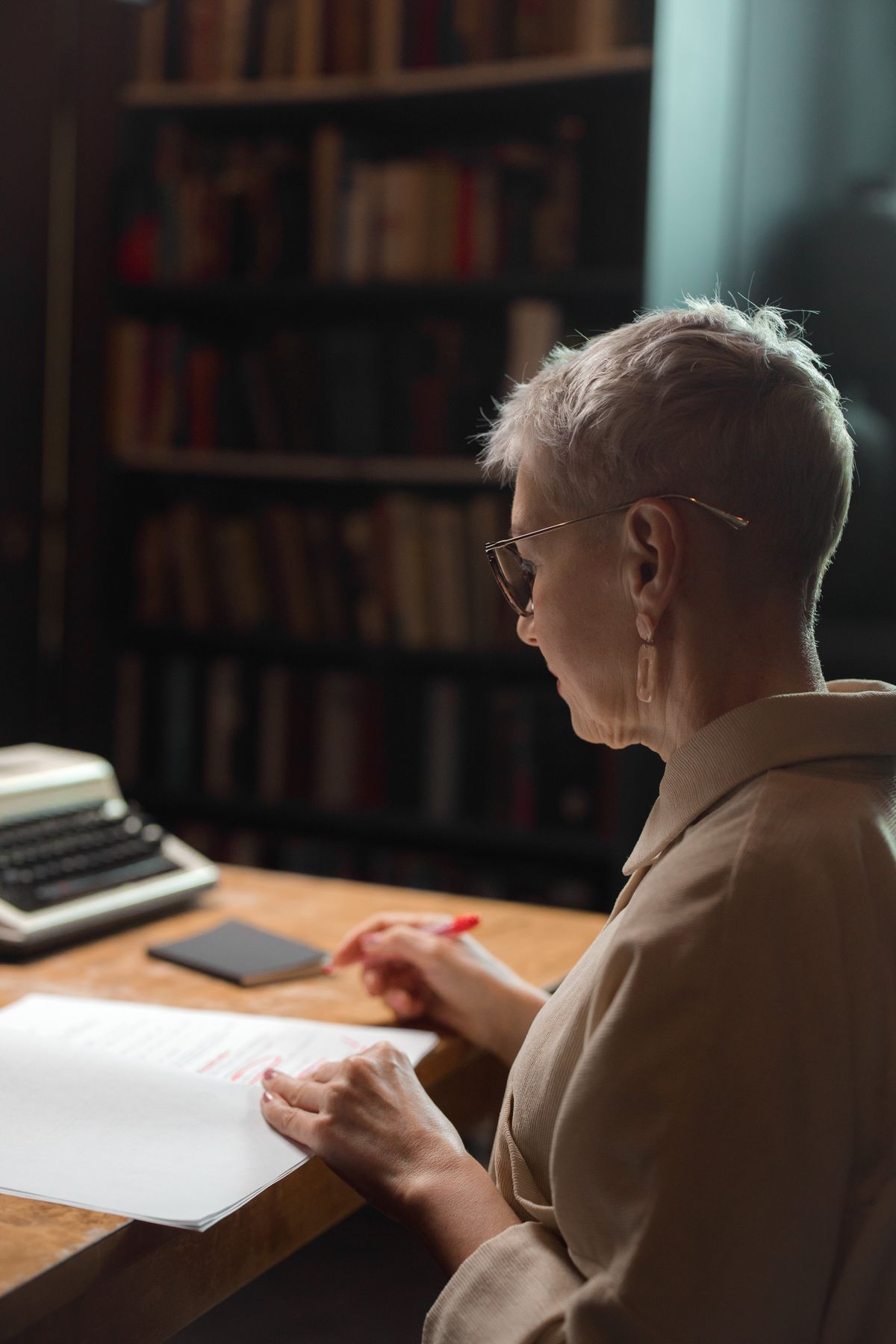
A photographer in Bern types the name of her own picture series into an AI image tool. Three images come back that look like hers. She never agreed to this. She also cannot show when each picture first existed.
Switzerland is preparing a law on this. Parliament has adopted a motion. It asks that rights holders, the people who own the work, agree before it is fed to generative AI. The Swiss Federal Institute of Intellectual Property (IGE) is drafting the change. No draft text exists yet.
What Swiss law says today
Swiss law protects only what a human makes, and whether AI training breaches copyright is still disputed.
The Swiss Copyright Act (URG), Article 6, says: "The author is the natural person who has created the work."
The IGE's FAQ "KI und Urheberrecht" (file dated 18 May 2026) draws the line for AI: only what comes from a human is protected, and AI output based on a banal prompt is not. On training, the FAQ says whether using protected works to train AI is relevant under copyright "ist noch umstritten" (is still disputed). The text and data mining exception in Article 24d URG allows copying "for the purposes of scientific research". The IGE says that rule was written for research, not AI training. Whether it covers training is for the courts.
The motion that started this
A motion filed in December 2024 asks for consent before creative work feeds AI; parliament adopted it in softened form.
Motion 24.4596 Gössi was submitted in the Council of States on 20 December 2024. Its original text asks for:
- Consent. "Die Zustimmung der Urheberrechtsinhaber ist notwendig, wenn journalistische Inhalte und weitere originäre Kreativleistungen in irgendeiner Weise für Angebote generativer KI ausgelesen, verarbeitet und wieder angeboten werden." In plain English: rights holders must agree before journalistic and other original creative work is read, processed and offered again by generative AI.
- No hiding behind exceptions. Article 24d and the other limits should be written so that public AI services cannot rely on them.
- Swiss law and Swiss courts apply when such content is offered in Switzerland.
On 19 February 2025 the Federal Council stated "Der Bundesrat beantragt die Annahme der Motion" (it proposes that the motion be adopted). Parliament adopted it in a softened form. Since 11 December 2025 its status reads "Überwiesen an den Bundesrat" (referred to the Federal Council; re-checked on parlament.ch, 15 October 2026).
Where the draft stands: there is no text yet
The IGE plans a consultation by the end of 2026, but no draft text exists yet (re-checked on ige.ch, 15 October 2026).
The IGE FAQ says a preliminary draft (Vorentwurf) to adapt the Copyright Act to AI is in preparation. It adds: "Dieser wird bis Ende 2026 in die Vernehmlassung gegeben". That means public consultation by the end of 2026 (re-checked in the IGE FAQ PDF, 15 October 2026).
The IGE blog post "Urheberrecht: Alles neu mit KI?" of 22 September 2026 adds one point. The Federal Council decides whether to open the consultation; no date is named (re-checked on ige.ch, 15 October 2026).
As of 15 October 2026 no draft and no consultation text had been published (re-checked on parlament.ch, ige.ch and admin.ch, 15 October 2026). The "opt-in" in the title is the motion's consent requirement, nothing more.
Opt-in, opt-out or licence: the open question
ProLitteris backs the consent idea but calls a full opt-in probably unrealistic, so the final model is still open.
ProLitteris, the partner behind the Swiss Copyright Registry, set out its position on 27 November 2025. It supports the consent principle. But a formal opt-in by every rights holder is "wahrscheinlich unrealistisch" (probably unrealistic). An opt-out "muss jedem und jeder Rechteinhabenden möglich bleiben" (must remain possible for every rights holder). Collective licences with payment sit at the centre. It expected a draft law in 2026; none had appeared by 15 October 2026 (re-checked on prolitteris.ch, 15 October 2026).
Each model asks the creator the same thing: which works are yours, and since when?
What a creator can do now
You can make a dated record of each work today, so a later claim rests on evidence, not memory.
When you seal a file on Swiss Trust Layer, a cryptographic fingerprint (hash) of it is computed. Only that fingerprint, never the file, goes to Swisscom Trust Services, the qualified trust service provider. It signs the fingerprint with a key that never leaves its hardware. The signature carries a timestamp under RFC 3161. The original file is never altered. Each sealed folder version gets a certificate of proof listing every file, its fingerprint and the sealing time in UTC.
The certificate also carries what you declared: "Rights claimed", "Other rights holders", "Human authors", and an AI Declaration from the six content labels, such as HUMAN AUTHORED or AI GENERATED. Declarations are locked once sealed. Labels need identity verification (a passport check); sealing itself does not. New work goes in as a new version with its own certificate. So the folder grows into a documented set, not just a claim. Anyone can check a sealed PDF at swisstrustlayer.com/validate, with no account.
The limit, stated plainly
A seal proves a file existed unchanged on a date; it does not create copyright or opt you out of anything.
Copyright arises with the human act of creation (Article 6 URG). Article 5(2) of the Berne Convention says "the enjoyment and the exercise of these rights shall not be subject to any formality".
No draft exists, so no opt-in or opt-out mechanism exists yet. A sealed record tells an AI company nothing by itself. The labels are a self-declaration: "This is a self-declaration and does not indicate whether the content is protected by copyright." The timestamp proves this exact file existed at that moment and has not changed since. It does not prove who wrote the file or who owns the rights. It is the evidence you would show if a new rule arrives and someone asks what is yours.
One step this week
Seal the works you care about most now, so the records exist before the consultation opens.
Pick the ten works you most want to defend. Put them in one folder, declare the labels, seal it, and download the certificate. Add new work as a new version once a month. Details: how it works.
Seal your first document on Swiss Trust Layer and give "what is yours" a date.